7 Paths to Wellness: Designing Spaces for Health and Harmony
- Mar 4, 2024
- 5 min read
Other than being a trendy lifestyle #hastag, wellness is often misunderstood as wellbeing; which adopts a more confined ambition towards emotional attributes. Whilst Wellness can be viewed as a holistic encompass of a healthy diet, exercise and state-of-mind.
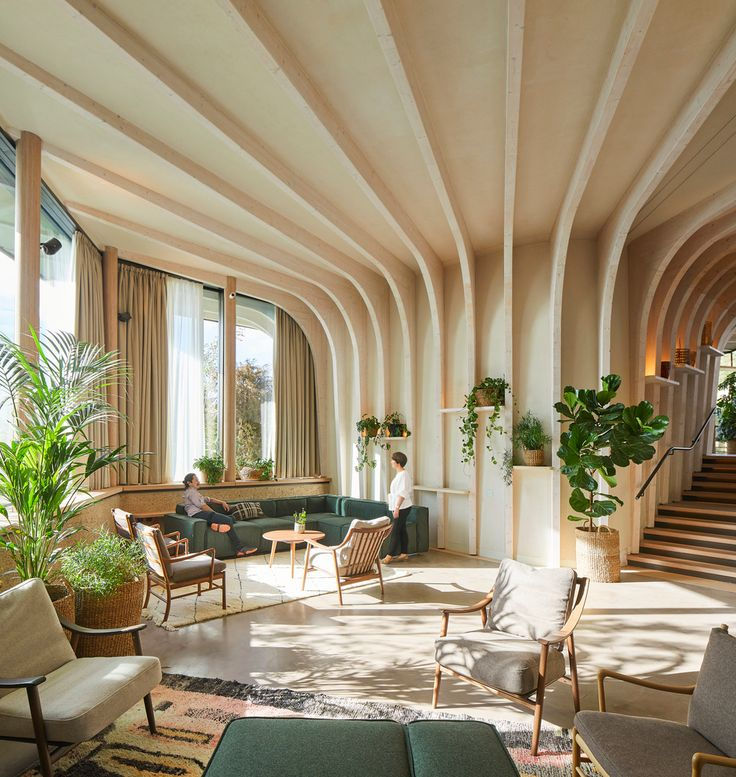
So, how is Wellness related to interior design? Wellness designs aim to create spaces that encourage better lifestyle choices and positive experiences for the user. How we perceive this in design may take on several approaches and is shaped by the individuals view of wellness.
If a strong connection to nature and outdoor space is valuable to you, and encourages you to exercise, improves your mood and psychological wellbeing, then your perception of wellness in design may integrate natural elements and access to outdoor space. Alternatively, you may value your relationships with family and friends above a strong connection to nature, and instead, wellness design may be understood as a home that encourages social connections, this may mean integrating large sociable spaces that encourage open discussion, or a spatial layout that enables visual connection between family members whilst in different areas.
What I'm getting at here is that wellness design doesn't take a one fits all approach. It is then important when designing for wellness to understand the hierarchy of values of the spaces users. If you're unsure on where to start, I view several features that can be integrated in all spaces to create a felt sense of improved wellness:
Bringing nature in
Lighting to align your sleep-wake cycle
Natural elements
Decluttered space, decluttered mind
Inspiring sense of place
Calming colour schemes
Bringing Nature In
Incorporating nature into interior spaces is a practice that has been used for centuries. Found in popular design trends you may have heard of such as Feng Shui, Biophilic design, Scandinavian, Japanese interior design.

Discover some of the research behind nature in design in previous articles. In a nutshell, bringing nature inside, especially through living-plants boosts your wellness, lowers stress, anxiety and blood-pressure, as well as numerous other health benefits.
How can we incorporate nature in interior design? This is one of the easiest pillars on this list to put into immediate action. If you have an outdoor space why not go outside and create a bouquet of plants that surround you, of course with permission where needed. Or find a local florist, garden centre, supermarket, and find a bunch of flowers you like.

I love bringing potted faunas into designs, there's almost too much option available for what you can go for. Some of my favourite 'staple' choices for spaces are the devils ivy this is a trailing plant that suits being hung from a ceiling or positioned on a shelf where the plant can trail down, blurring the lines between built space and nature. Monesteras are a popular choice for a larger floor-plant, also known as the cheese-plant because of the distinctive holes in the leaves. Spider plants are another plant that I find easy to look after, they also trail as they mature, suiting them to shelves, alternatively the 'baby spider plants' can be repotted.
Lighting for Wellness
Lighting is a fundamental aspect of all interior spaces, without it we would struggle finding our way around after sunset. Beyond the functional aspect, lighting brings ambiance and aesthetic to spaces. Natural light sources come from windows, skylights, or artificial daylight-mimicking lighting. Natural light provides visual comfort, contributes to energy efficiency and wellness. One way that natural daylight benefits a persons wellness is by providing a better attunement to an individuals natural sleep/ wake cycle, known as your Circadian Rhythm.
Artificial lighting, including overhead fixtures, lamps, and accent lights, provides flexibility in controlling ambiance and highlighting architectural features. Considerations such as color temperature, intensity, and distribution play crucial roles in achieving desired effects. Thoughtful lighting design considers the purpose of the space, user needs, and the desired mood to create visually appealing and functional interiors. Ultimately, lighting design is a powerful tool that shapes the atmosphere, defines spatial experiences, and enhances the overall quality of living and working environments.

Natural Elements
Natural elements can be incorporated through material, this includes materials such as wood, stone, cotton or wool. We can also incorporate nature through colours inspired by our surroundings, flora, faunas, seaside scenes. Natural materials also bring a textural element, inviting the user to further their connection to the built space. The textures and aesthetic of wood is often seen mimicked in flooring and furniture, the affect on the users wellbeing when using nature mimicked materials has proven beneficial despite the impersonation.

Minimalism
A key aspect to the ancient practise of Feng Shui is minimalism. A trend of the 19060s and 70s, minimalism involves decluttering spaces from unnecessary items. Thought to enhance focus, reduce stress, and increase functionality, wellness design often attunes itself with the practise of minimalism.
This is another of my 7 pillars to wellness design that is easy to bring into your practice immediately. There are many guides on how to best practise and make a start with minimalism, one idea that I like is removing one item everyday for 1year, as the months progress this will become harder, by the end of one year you should be able to see a noticeable difference. The aim here is to not eradicate yourself of all of your possessions, but help you to see that you have the ability to live more simply and this often make you feel clearer. So what items should you be removing from your home? Clothes, books, clear out your cupboards and sides of anything you feel no longer brings you enough joy to warrant it staying.

Sense of Place
In interior design sense of place encapsulates the creation of spaces that intimately connect with their surroundings. This involves introducing an identity that reflects the culture, history and geography of its environment. Achieving a sense of place entails a thoughtful selection of design elements, such as, materials, colours, style and planting, harmonising the built environment with the natural.
by integrating elements of a sites location, the designer evokes feeling of bonding an authenticity. Sense of place is an element that is incorporated in many striding design practices, certifications and guidance. Yet, the impact of achieving this pillar effectively can be overlooked, for ambitions of other aspects of a design. A well developed sense of place enriches the experience of space for the user.
There is various ways you may bring this into your home-design. Artworks and photography of the surrounding landscape or by local artists, use of local materials and craft, orientating spatial arrangements to draw focus to window-openings and invite the user to observe the surrounding landscape. If planting is visible in the external environment, attempts to incorporate similar species or colours should be made. Blurring the boundaries between external and internal space.

Choosing Colour
Nature-inspired colour schemes draw inspiration from the evoking colour pallet of the natural world, evoking feelings of serenity, warmth and harmony with indoor spaces. Featuring earthy tones such as warm browns, soft greens, sandy beiges, fiery ambers. One way to begin to pick-out the colours to determine your colour pallet is by choosing a painting or photography you like that present a nature scene, pick out 3 of the colours and you have a simple colour scheme to use, inspired by nature.
By bringing elements of nature indoors through colour, designers aim to create environments that reflect the beauty and tranquillity of the outdoors, promoting a sense of calmness and connection with the natural world. Whether used as accent colours or as the foundation of a design scheme, nature-inspired palettes lend a timeless and comforting aesthetic to interior spaces, inviting inhabitants to immerse themselves in a soothing and rejuvenating atmosphere.


Comments