Harmonising Spaces: The Art of Feng Shui
- Jan 28, 2024
- 4 min read
In our fast-paced world, finding serenity within our living spaces is more crucial than ever. Feng Shui, an ancient Chinese art of harmonising the energy in our surroundings, offers a unique approach to interior design that goes beyond aesthetics. Grounded in the belief that the placement of elements in space can influence the flow of energy, or chi, and consequently impact our well-being. In this blog post, we will delve into the principles of Feng Shui design and how it can be applied to create a serene and balanced environment in your home.





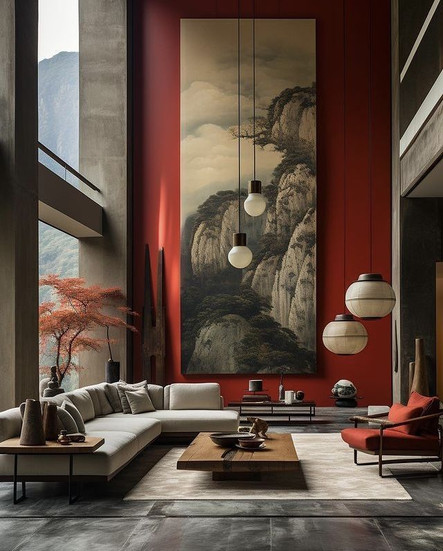


Feng Shui, which translates to wind and water, is based on the idea that the energy in our surroundings should flow smoothly and harmoniously. The discipline can be traced back several thousands of years; Feng Shui was initially used to determine the location of settlements and burial sites. The art has been passed through generations and shaped by the cultural paradigms of China. The essence of feng shui is not bound by the rich cultural history and can be incorporated into places globally.
The first written text on the Feng Shui doctrine was written by, Chinese writer and Taoist mystic, Guo Pu in The Book of Burial, written during the 4th or 5th Century AD. Guo discusses the Sheng Qi of burial. Qi, in similarity to the Greek Pneuma, perceives the presence of "six atmospheric forces of cold and warmth, wind and rain, and darkness and light", when we experience these forces in excess the harmony of energy is disturbed, which can present itself as illness. The inter-connectedness of humans and the environment is an ideology that draws similarities to other concepts, such as Biophilia, as popularised in 20th Century America. The goal of Feng Shui, in short, is to establish harmony between individuals and space.
Harmony between individual & environment
In interior design, the practice of Feng Shui involves arranging elements within the environment whether this is internal or external space. The element, such as a seat, is chosen and positioned to optimise the flow of chi throughout a space. Creating an environment that supports balance and overall well-being.

Principles of Feng Shui design
The Bagua Map
One of the fundamental tools in Feng Shui design is the Bagua map, which divides space into nine zones, each corresponding to a specific aspect of life. By aligning the Bagua map with the floor plan of a room or a whole house, practitioners can determine the areas that need attention and enhancement to promote balance.
the 5 Elements
Feng Shui revolves around the five elements—wood, fire, earth, metal, and water. Each element is associated with specific colours, shapes, and materials. Balancing these elements in a space can foster harmony and positive energy. For example, incorporating wooden furniture in a predominantly metal-themed room can create a more balanced environment.
Minimalism
Feng Shui emphasises the importance of decluttering to allow the smooth flow of energy. A clutter-free environment not only promotes physical well-being but also helps clear the mind. Keep spaces organised and tidy, and consider getting rid of items that no longer serve a purpose.
Purposeful Arrangement
The way furniture is arranged can significantly impact the flow of energy in a room. Avoid blocking pathways and doorways, and position furniture to create a sense of balance and openness. Additionally, consider the placement of mirrors to reflect positive energy throughout the space.
Colour Psychology
Colours play a vital role in Feng Shui design. Different colours are associated with specific elements and emotions. For instance, cool blues and greens are often linked to calmness and tranquillity, while warm reds and oranges can energize and stimulate. Choosing the right colour palette for each room can enhance the desired atmosphere. It is important to note that the feelings emoted by colours can be individual, for instance, the colour red can feel peaceful to one person, representing romance, whilst to somebody else red can present negative energies, such as anger.

Tips for bringing Feng Shui into your space
Harnessing Natural Light and Ventilation
Maximising natural light and ventilation to invite positive energy, numerous studies present the psychological benefits of viewing daylight and airflow. Use voiles, curtains or sunshades to reduce excess daylight exposure.
Harmony in Green: Choosing the Right Plants for Balanced Interiors
Incorporating plants invites a natural touch, and can be used to balance elements. Opt for plants with a rounder visual appearance and softer to the touch, avoiding spikey cactus-like plants. Ultimately, choose plants that appeal to you and boost your energy.
Individual Flair
Infuse your individuality in your space, through art, items and colours that bring joy.
Feng Shui design is more than just arranging furniture; it's about creating an environment that promotes balance, positivity, and well-being. By understanding and applying the principles of Feng Shui, you can transform your living spaces into harmonious sanctuaries that nurture both your physical and mental health. Embrace the art of Feng Shui design and embark on a journey to create spaces that not only look good but also feel good.


Comments