Space Psychology in Interior Design: Enhancing the Experiential Journey
- Nov 2, 2023
- 2 min read
What do wall colours and circulation have in common? They're both manipulating your behaviours and emotional experience everyday.

With over 90% of our time spent indoors (NHAPS), the spaces we occupy have a paramount role in our psychological behaviours. Environmental psychology, or space psychology, discusses the relationship between people and space.
Colours, configuration, circulation and lighting all have affects on our mood and behaviours, and how comfortable we feel in a space. Elements of design can play illusions to our perception of space, light colours can create open and clean feeling spaces whilst low-lux warm lighting creates feelings of warmth and cosiness. Architect, Peter Zumthor, shows how the psychological experience of space can be designed, and moods manipulated.

Space psychology is used in interior design to create more relaxing hotel rooms, increase retail sales, accelerate recovery in healthcare environments and improve productivity in workspaces.
Circulation patterns refer to the flow of space, this is an important aspect of interior design; well-designed circulation creates functional spaces that are easy to navigate, whilst poor circulation can create an environment that feels cramped and stressful.
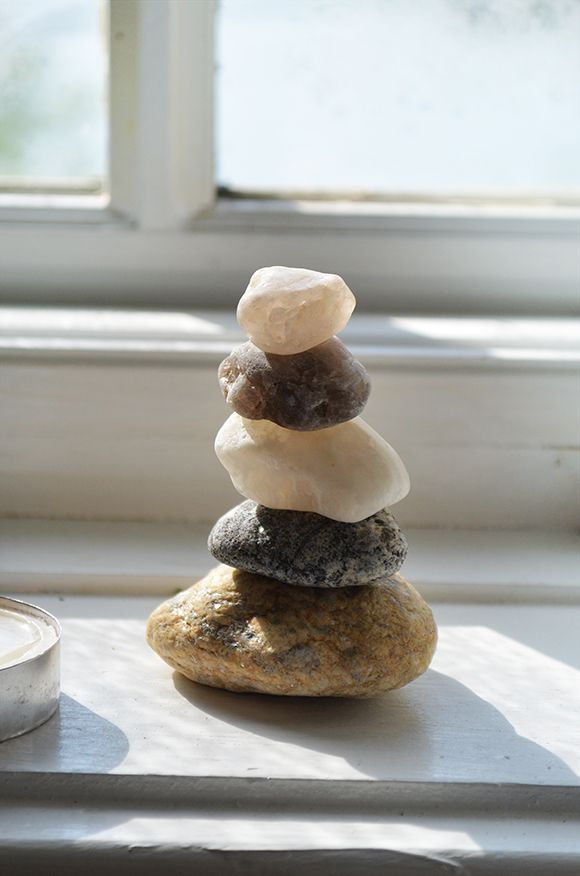
Rooted in Chinese culture, specifically Taoism, the art of Feng Shui arranges spaces to achieve harmony and balance.
Feng Shui means “the way of wind and water.”
The design for Feng Shui composes yin and yang energies in equal balance. What is yin and yang? Opposites, light and dark, masculine and female, cool and warm. Yin and yang is incorporated in interior design using colours, objects and artwork, using opposites in balance. The Bagua map is used to compose space, this map is drawn over the floorplan, each area of the map represents a different dynamic of life; career, family, love. The 5 elements; water, earth, fire, wood and metal represent different energies and are used in different areas of the space.

In western interior design the 60/40 formula, is used to create balanced schemes. This is the golden rule of thirds, a pattern that we see repeated in nature. How can we incorporate this in interior design? Following this formula, also referred to as the 60/30/10, 60% of the space will use one colour, the secondary colour will take 30% of the space and the final 10% could be an accent colour or could be deciphered by structural elements or fixtures and fittings. Take the example above, the 60% comes from the white walls, the 40% ratio compromises the timber features and the final 10% is observed from the dark metal accents of the stair safety rail.

So, what can we take from this? As ancient civilisations knew, spaces play an impact on our behaviours, this idea has shown through history in various interior design styles. The psychological experience of space has an impact on our emotions and responses that plays even when it has not been specifically designed for. With this in thought, why not choose to actively design for positive and desired experiences.


Comments